
Property managers in Denver carry pressure from residents, tenants, and owners. Safety, order, and reputation sit on your shoulders every day. At the same time, budgets stay tight and every line item needs a clear reason to exist. One of the most important choices centers on security coverage, especially the balance between courtesy patrol and stationary guards.
This article gives you a clear comparison between mobile coverage and fixed posts. You see how each model works, where each one fits, and how cost trade-offs play out in real settings. The goal is simple. You finish with enough clarity to request a plan from Frontier Security Denver that matches your properties, risk level, and budget.
What Is Courtesy Patrol and What Problems Does It Solve for Courtesy Patrol Denver Properties
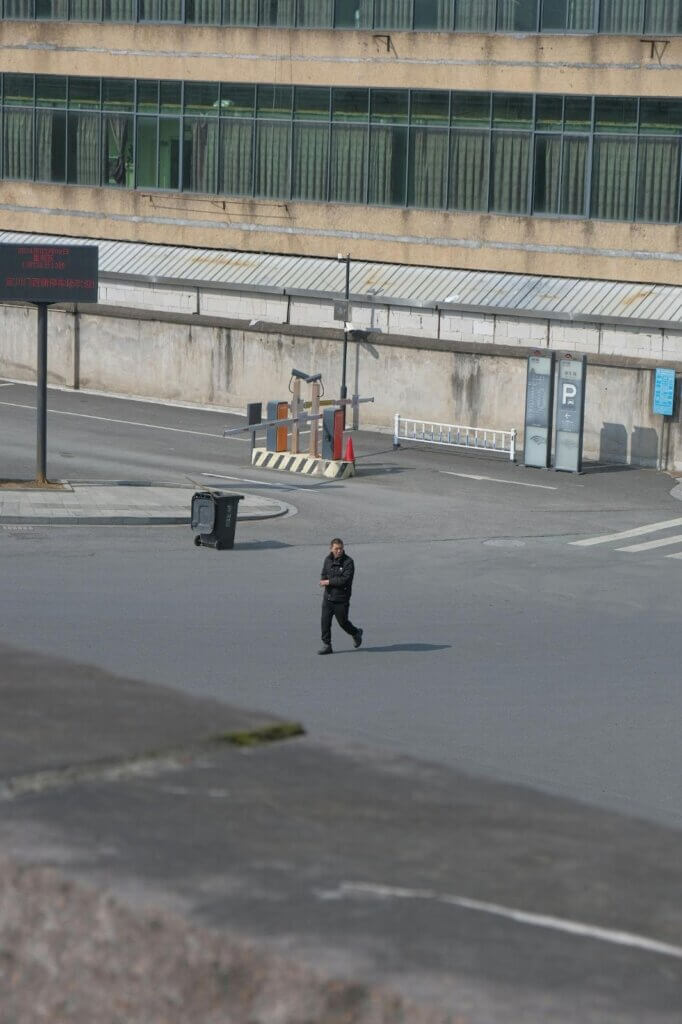
Courtesy patrol provides roving security coverage across your property or across several sites on a shared route. Officers move through lots, drive aisles, stairwells, corridors, and amenity areas on foot or in marked vehicles. Residents and tenants see a visible presence during key hours. For many properties, courtesy patrol Denver programs form the first layer of security.
Definition and typical duties
A courtesy patrol officer follows a planned route with specific stops. During each pass, the officer inspects doors, gates, and access points and looks for signs of trouble. Parking enforcement often plays a major role. Officers look for vehicles in fire lanes, unauthorized cars in reserved spaces, and abandoned vehicles that need removal.
Patrol duties also include perimeter checks along fences and rear alleys. Officers inspect pools, gyms, clubhouses, laundry rooms, and mail rooms, especially after hours. They respond to noise complaints and smoke complaints. Welfare checks occur when residents or staff express concern about a person in a unit or vehicle. Officers document issues such as broken lights, damaged locks, and graffiti so you see safety problems early and assign repairs before conditions worsen.
For more detail on mobile routes, parking enforcement, and perimeter checks, visit our Courtesy Patrol Services Denver page on the Frontier Security Denver site.
Best-fit environments
Courtesy patrol delivers strong value when your property covers a wide footprint and risks spread across multiple areas. Apartments, HOAs, garden communities, and townhome clusters all fit this model. Retail centers, small shopping plazas, and business parks with large lots and rear corridors also benefit from frequent patrol passes.
Picture a 200 unit apartment community near a busy Denver thoroughfare. Several buildings surround shared lots and interior courtyards. Late at night, residents report loud music and guests gathering in one courtyard. A courtesy patrol officer arrives, references posted quiet hours, speaks with the group, and clears the gathering before tempers rise or police involvement becomes necessary. On another night, the same officer encounters loitering behind a grocery store in the center. A short contact, clear direction, and a written report help prevent that location from turning into a long term trouble spot.
What Stationary / On-Site Guards Do Differently
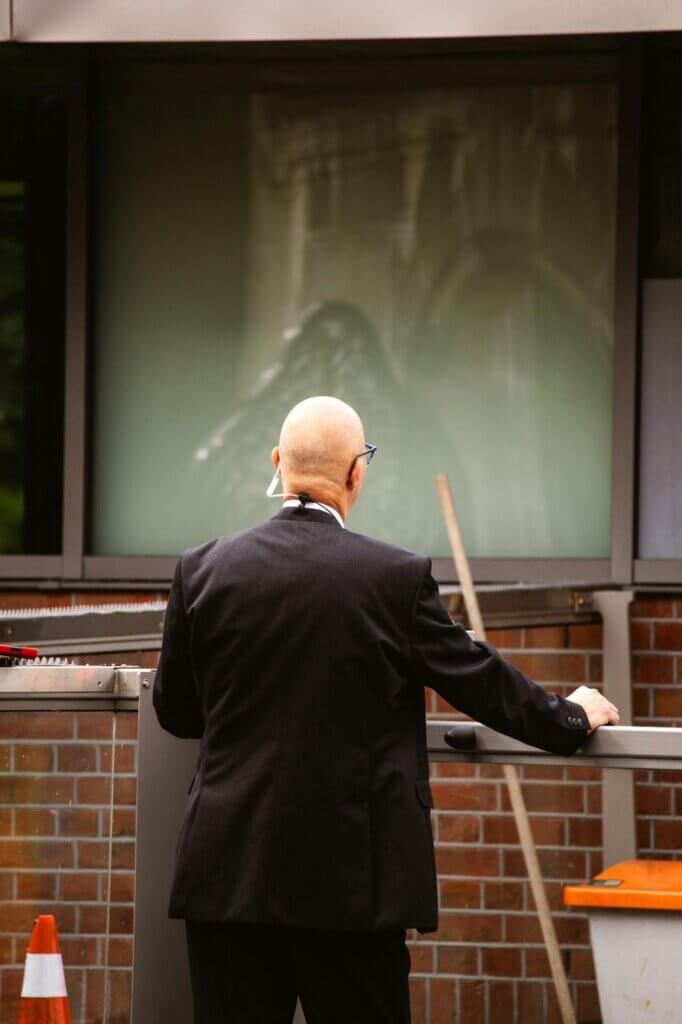
Stationary or on-site guards remain at one post throughout the shift. They stay at a lobby desk, guardhouse, dock booth, or job trailer. This model focuses on strict access control, consistent monitoring of a single site, and a visible front-line presence that residents, tenants, and visitors see at every entry.
Fixed post coverage, access control, lobby/concierge presence
Common fixed posts include lobby desks in high rise apartments and office towers. Gated communities position guards in gatehouses near main entrances. Distribution centers place officers at guard shacks near truck gates. Construction sites often assign guards to trailers near primary access points.
From these posts, guards manage access control. They check identification, confirm names against approved lists, and issue visitor badges. They log vendors and contractors and direct deliveries to the correct dock or entrance. Many guards also support front-of-house work, greeting guests, offering basic directions, and answering simple questions about parking or amenities. At the same time, they watch for individuals who linger without purpose, move toward restricted areas, or show aggressive behavior.
For properties that need lobby guards, gate officers, or reception coverage, explore our On-site Security Denver services.
When high visibility, constant presence is essential
Some sites demand a guard at the front door more than they need roving coverage across a wide area. High rise apartments in downtown Denver, Class A office towers, and large mixed use projects fall into this group. Residents and corporate tenants often expect a professional face at the entrance. Owners expect tight control over who enters and when.
Stationary coverage also reduces trespassing and repeat damage in known hot spots. Picture a mixed use tower near a rail stop. Tenants lodge frequent complaints about panhandling and loitering at the main lobby doors. After several incidents on camera, management assigns an on-site guard from morning through early evening. The officer greets tenants, keeps the entrance clear, and redirects anyone without business inside. Over time, reports of aggressive contacts at the doors decrease and tenants express greater confidence in overall security.
Cost Comparison: Patrol Routes vs Fixed Posts
Security decisions always tie back to budget. Courtesy patrol and stationary guards rely on different billing structures and provide different patterns of value. A simple model with realistic numbers helps you explain options to owners and asset managers.
How billing typically works for mobile patrol vs on-site
Mobile patrol programs rely on scheduled visits across one or more properties. Billing often follows a per-visit model or a flat monthly amount for a set number of visits each night. Some programs apply hourly billing for time spent across a shared route. In practice, this structure spreads cost across several clients that share the same officer and patrol vehicle.
Stationary posts rely on hourly billing at a single property. You schedule guards for blocks such as 4 p.m. to midnight or full 24 hour cycles. Rates reflect schedule needs and training level. Since the officer remains on your site every minute of the shift, total monthly cost often exceeds a comparable patrol package while delivering deeper coverage at one location.
Consider a simple comparison. A courtesy patrol route stops three times per night at your property, seven nights per week. Each visit lasts roughly fifteen minutes, enough time for a perimeter check, lot sweep, and pass through common areas. Across a month, you receive dozens of visits for a cost similar to one or two eight hour shifts per week from an on-site guard. A single on-site guard working an eight hour shift every night produces higher monthly cost but also provides continuous presence instead of short passes. This type of mobile patrol vs on-site security example helps leadership understand trade-offs.
These options sit within the broader coverage described on our Security Patrol Services Denver page.
Situations where a hybrid model reduces total cost
Many Denver properties reach the best balance through a hybrid structure. Courtesy patrol covers wide exterior areas, garages, and off peak hours. On-site guards focus on lobbies, gates, docks, or reception desks during peak activity. This approach limits expense while maintaining strong coverage at high risk points.
Picture a mid rise apartment property near a light rail stop. From late afternoon into midnight, lobby traffic stays heavy as residents return from work, guests visit, and deliveries arrive. After midnight, activity slows, yet the garage and rear alley still draw trespassers. Management assigns an on-site lobby guard from 4 p.m. to midnight, paired with courtesy patrol visits through the night. Patrol officers sweep the garage, alleys, and stairwells, while the lobby officer manages access during busy hours. This hybrid design often costs less than round-the-clock guard posts and still closes major gaps.
Matching the Model to Your Denver Property Type
Denver properties differ in layout, tenant mix, and exposure. Crime patterns shift between downtown blocks, suburban corridors, and industrial zones. The right balance between patrol and fixed posts depends on property type more than any single rule. A focused review of apartments, retail, and job sites reveals where each model fits.
Apartments and HOAs
Multifamily communities rely heavily on apartment courtesy patrol Denver programs. Residents expect quiet halls, predictable parking, and safe access to amenities. Patrol officers enforce permits in lots, respond to noise calls, and monitor pools, gyms, and clubhouses. Regular sweeps through stairwells and mail rooms reduce loitering, vandalism, and unwanted guests.
Some communities add fixed posts at key access points. A guard at a main gate or garage entrance screens visitors and enforces entry rules. Large clubhouses that host frequent events also benefit from a stationed officer during peak hours. For example, a gated HOA might assign a gate officer on weekday mornings while relying on patrol visits at night and on weekends. This mix concentrates guard time where traffic and risk converge, while patrols maintain a wide safety net.
Retail centers and mixed-use properties
Retail centers and mixed use projects stretch across wide lots with several entrances. Courtesy patrol supports these properties through regular passes across parking stalls, loading zones, and rear service corridors. Officers watch for loitering near storefronts, support staff during closing, and monitor suspicious vehicles that linger behind buildings.
On-site guards inside main lobbies, elevator banks, or primary entrances deliver stronger deterrence and a higher level of service. A downtown mixed use tower might station a guard at the front desk through business hours while courtesy patrol covers parking structures and outer edges in the evening. Shoppers and tenants see a professional presence at the front door while patrol routes extend reach across the full site.
Construction sites and industrial yards
Construction sites and industrial yards face risks tied to materials, tools, and fuel. Perimeters extend across large areas, lighting changes by phase, and access points shift as work progresses. Mobile patrol suits these conditions well. Officers drive the perimeter, inspect gates, and stop at equipment clusters during off hours. This presence reduces theft attempts and trespassing while keeping cost manageable on large footprints.
During higher activity periods, fixed guards bring stronger control. A guard at a gate logs trucks, screens visitors, and directs drivers. On high value projects with extensive equipment on site, a guard at a trailer during nights and weekends provides a single point of access control while patrols still cover distant fences and corners.
Performance Metrics to Track for Any Security Model
Strong decisions depend on data rather than guesses or individual complaints. A few simple metrics help you measure results and justify adjustments in coverage. The same approach works for courtesy patrol, fixed posts, or any hybrid plan.
Incident trends, response times, tenant complaints
Start with an incident log. Record each event with a short description, type, time, and location. Categories might include trespass, vandalism, theft, noise, parking, and welfare checks. Over several weeks or months, patterns appear. Specific lots, hallways, or entrances show higher risk. Certain time windows stand out.
Response time belongs in every review. For patrols, track minutes from first call to arrival on site. For on-site guards, track minutes from alert to first contact with the situation. Faster response often links to lower loss and fewer complaints. Tenant and resident feedback also matters. Fewer complaints related to safety, along with stronger positive comments about guard presence, point toward a model that aligns with expectations.
Using guard reports to adjust routes, hours, and staffing
Guard reports form the backbone of effective security adjustments. Each report should describe observations, actions, and recommendations. Over time, reports highlight hot spots and quiet zones. They reveal where patrol stops deliver strong results and where routes need revision.
Picture a retail center with repeated vehicle break-ins in one corner of the lot. Reports describe broken glass and suspicious vehicles on several nights. You respond by adding extra patrol passes through that corner and adjusting camera angles and lighting. In another example, lobby incidents in an office tower cluster between 3 p.m. and 6 p.m. Data supports moving a guard’s schedule earlier so coverage begins before problems peak.
How Frontier Designs a Patrol + On-Site Mix for Denver Clients
Frontier Security Denver designs patrol and on-site plans through close collaboration with property managers and owners. The process starts with incident history, site layouts, and budget targets. From there, Frontier recommends a mix of courtesy patrol and fixed posts that reflects real patterns on the ground instead of generic templates.
Example scenario: upgrading from random drive-bys to a structured patrol plan
Picture a mid sized apartment property in Denver that relied on sporadic drive-by visits from a generic provider. Patrol cars rolled through the lot at irregular times with no clear route or documentation. Residents still reported car break-ins, loud parties, and loitering near mailboxes. Ownership questioned the value of the spend, and the manager had limited data to defend the contract.
Frontier steps in and designs a structured courtesy patrol program. Officers visit on a set schedule, walk defined paths through buildings and amenities, and complete detailed electronic reports. Each night, management receives time-stamped logs and photos of issues. After several weeks of data, Frontier identifies a pattern of problems near a rear lot and recommends extra passes in that area. Frontier also suggests a part-time lobby guard on weekend evenings while patrols continue through the week. Over the next quarter, reported incidents decline and resident feedback improves.
If you manage several properties or large sites, review our Security Patrol Services Denver page for options that extend coverage across multiple locations.
CTA: invite readers to request a custom patrol plan
The next step stays straightforward. Request a custom patrol and on-site security plan from Frontier Security Denver. Share your incident history, current coverage, and budget range. Include notes on pressure points such as parking issues, after hours activity, or lobby incidents.
For more detail on roving coverage, visit the Courtesy Patrol Services Denver page. For properties that require lobby guards, gate officers, or reception support, explore our On-site Security Denver services. Thoughtful choices about courtesy patrol Denver models lead to safer sites, better tenant and resident experiences, and clearer value for owners. Frontier Security Denver stands ready to design a plan that reflects real conditions on your properties and respects the budgets you manage.
