
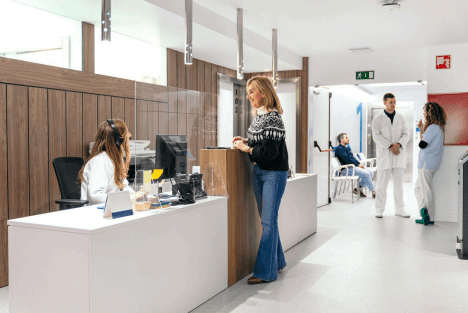
Intro
Front desk teams face pain, fear, long waits, and angry demands every day in Denver. You need healthcare security Denver coverage that protects staff and keeps care moving.
This guide targets practice managers, directors, and administrators who run clinics, urgent care sites, imaging centers, and outpatient programs.
Why Healthcare Sites Face Higher Conflict Risk
Healthcare settings compress stress into small spaces. Patients feel sick. Families push for answers. Staff enforce rules under time pressure.
Common triggers
● Long waits and unclear queue order
● Denied requests for early refills or stronger medication
● Pain, grief, or bad news in public areas
● Intoxication from alcohol or drugs
● Mental health crisis or active psychosis
● Custody disputes during pediatric visits
● Billing disputes at check-in or checkout
● Staff fatigue after repeat confrontations
Conflict drives turnover and sick days. Patient experience drops when yelling fills the lobby. Liability grows when staff work alone and reports lack detail.
Access Control Without Blocking Patient Flow
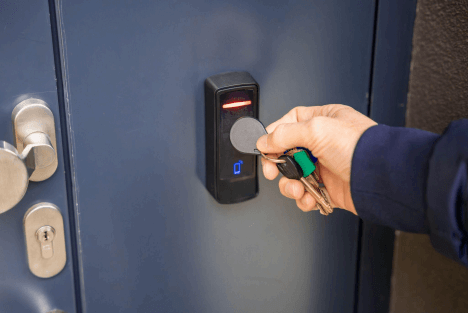
Access control works best when your team designs flow first, then secures sensitive areas. Strong clinic security Denver programs treat entry as a process, not a barrier.
Simple zoning model
Zone 1: Public
Zone 2: Controlled
Zone 3: Restricted
Zone 1 access rules
● Keep entry open during posted hours with staff in view
● Route walk-ins to one check-in point
● Post signage for weapons policy, visitor rules, and recording rules
● Place a visible guard near reception during peak arrivals
Zone 2 access rules
● Require check-in completion before entry to care corridors
● Use badge or sticker identifiers for patients, visitors, and vendors
● Control elevator or stair access to clinical floors in medical office buildings
● Stage a guard near the transition door during surges
Zone 3 access rules
● Limit access to staff only for medication rooms, labs, and imaging control rooms
● Lock doors with audit trails for behavioral health back halls and staff-only corridors
● Require escorted access for vendors and non-clinical contractors
● Restrict after-hours entry to one door with ID verification
Signage reduces arguments. Check-in steps reduce line cutting. Guard positioning near zone transitions reduces bottlenecks. Learn more about On-site Security Denver coverage.
De-Escalation Standards for Front Desk and Waiting Rooms
A de escalation security guard supports staff by controlling space, tone, and options. The goal stays simple: stop escalation, protect staff, and keep care moving.
Scenario
A patient complains about a two-hour wait. The patient steps toward the counter, raises a voice, and pounds a fist. The receptionist backs up and looks for help. A de-escalation security guard moves to the side, keeps distance, and sets a calm boundary.
6 step de-escalation sequence
1. Take position at an angle, leave a clear exit route, and keep hands visible 2. Ask one question in a steady voice and listen without interruption
3. Name the behavior and set a limit tied to safety and service
4. Offer two options with clear next steps and a time marker
5. Reduce the audience and move the subject away from reception when safe 6. Close with a summary, confirm the plan, and document the contact
Phrases staff and guards use
● “I hear your concern. I will help with the next steps.”
● “Please step back from the counter so the staff stay safe.”
● “Keep your voice at a normal level so we talk.”
● “We handle one person at a time. Your turn stays in the queue.”
● “Here are two options. Wait for the next slot, or reschedule.”
● “Stop yelling. If yelling continues, we end this conversation.”
● “We will move to the side so others check in.”
● “If you threaten staff, you will leave the site.”
Call law enforcement when a subject makes threats, shows a weapon, refuses to leave after a trespass notice, assaults staff, blocks exits, or damages property.
Staff Safety Protocols for Escorts, Breaks, and Shift Change
Staff safety starts with predictable routes and clear rules for after-hours entry. Urgent care teams face late-night surges. Imaging centers close with small teams. Behavioral health sites face higher emotion. Medical office buildings share lobbies with public traffic. Hospital security guards denver staffing models offer useful lessons for outpatient teams.
Escort best practices
● Map escort routes from reception to staff parking and load zones
● Route escort requests through one point, such as charge nurse or lead MA
● Run a radio check before movement and confirm start and end times
● Pair escorts for late shifts when parking feels isolated
● Walk the staff member to the vehicle door, not the lot edge
● Scan for loitering near stairwells, dumpsters, and side entries
● Vary escort rounds during shift change to reduce predictability
● Stage a guard near staff entry during peak departures
Closing procedures checklist
● Lock secondary doors and confirm door hardware latches
● Confirm staff-only corridors stay closed and badge readers function
● Clear waiting rooms and restrooms before final lock
● Walk the exterior perimeter, including drop-off zone and side alleys
● Confirm cameras show live view and recording status
● Confirm lights work in staff parking, stairwells, and entry paths
Clinic security Denver planning works best when leadership sets after-hours access rules and staff follow one process across shifts.
Visitor Management and High Risk Situations
Visitor management reduces conflict before escalation starts. Front desk teams need consistent visitor rules, and security needs authority to enforce those rules without debate.
Visitor controls
● Use sign-in with name, phone, purpose of visit, and destination
● Issue visible badges with expiration time and zone limits
● Verify patient consent before sharing protected health details
● Limit visitors per patient based on site policy and space
● Require vendor appointments and restrict roaming in clinical corridors
● Maintain a restricted visitor list with photos when available
● Route family disputes to a private room away from the waiting area
● Document visitor removal and issue trespass notices when needed
High risk cases
High risk cases include domestic disputes, restraining orders, custody conflicts, threats tied to a provider, and targeted harassment of front desk staff.
Information security needs from leadership
● Full names and photos for restricted visitors when available
● Court order details, including dates, protected parties, and prohibited contact
● Approved visitor list for pediatric or behavioral health cases
● Staff points of contact for escalation during clinic hours and after hours
● Layout notes for safe rooms, exit routes, and lockable doors
● Reporting expectations, including where logs and video requests go
Reporting and Documentation Leaders Use
Reports give leadership a shared record and a basis for action. Strong reporting supports clinic security denver goals and helps reduce repeat disruptions.
Report fields
● Date and start time
● Exact location, including suite or corridor
● Names of involved staff and their roles
● Subject description, including clothing and distinguishing features
● Stated reason for conflict, such as refill denial or wait time
● Witness names and contact details
● Actions taken by staff and security in time order
● De-escalation steps attempted and outcome
● Trespass notice details when issued
● Follow-up needed, owner, and target due date
Leadership uses trend tracking to spot repeat visitors, peak hours, and hot spots near check-in, waiting areas, and exit doors. Those trends guide staffing hours and post placement. For multi-site support, pair reporting with Private Security Services Denver options built for healthcare operations.
Choosing Coverage Levels for Your Site
Coverage must match risk, layout, and patient volume. Hospital security guards Denver teams use layered coverage. A de-escalation security guard adds value where conflict rises at reception and waiting rooms.
| Site Condition | Coverage Fit |
| High walk-in volume and frequent wait time disputes | Dedicated lobby post during peak hours plus corridor rounds |
| Single-provider clinic with stable scheduled traffic | Scheduled patrol checks plus on-call response |
Urgent care open late with frequent intoxication contacts
Imaging center with a small closing team and isolated parking
Lobby post plus exterior and parking patrol each hour
Closing escort support plus locked access plan
| Behavioral health program with repeat agitation and elopement risk | Dedicated post near entry plus controlled zone door support |
| Medical office building with a shared lobby and multiple suites | Shared lobby post plus suite-level response plan |
| Pediatric clinic with custody conflict history | Visitor screening plus restricted visitor list enforcement |
| Sites with repeat trespass returns and threats to staff | Full-time post plus formal trespass process and weekly reporting cadence |
Cost versus loss example
A weekday lobby post for 8 to 10 hours per day often falls in a $45 to $85 per hour range. A lighter patrol plan often falls in a $25 to $55 per visit range. One disrupted afternoon often leads to cancelled appointments and overtime. One property damage event often lands between $300 and $2,500.
CTA
You run care delivery, not conflict management. Frontier Security Services helps your team set access rules, de-escalation steps, and reporting standards that support staff and patients.
Request a walkthrough and staffing plan from Frontier. Start with Healthcare Security for a site plan built around patient flow and staff safety.
Free assessment includes:
● Walkthrough of entry points, check-in, waiting rooms, and clinic corridors ● Zoning plan for public, controlled, and restricted areas
● Review of incident history, call logs, and staff feedback by shift
● Draft post orders for guards and front desk coordination
● Reporting template aligned to leadership follow-up needs
Service fit
For clinics and outpatient centers that need fixed posts, screening support, or dedicated coverage, review On-site Security Denver options and align staffing to peak demand.
Hospital security guards Denver programs often rely on layered staffing. Clinic leaders can borrow the same discipline through clear post orders, consistent reporting, and trained de-escalation security guard support.
