

As a Broomfield business owner, your office is buzzing from 9 to 5, but what happens after hours? For many properties in Interlocken and along the US 36 corridor, the biggest risks emerge when the building goes quiet and parking lots empty. You’ve worked hard to build something valuable, and leaving its protection to chance is a strategy that rarely pays off. The question isn’t just about better locks or alarms; it’s about choosing the right human presence. This is where professional business security services make a difference. Your choice typically boils down to two distinct approaches: a dedicated officer who acts as a gatekeeper in your lobby, or a mobile patrol that keeps a watchful eye over your entire grounds. This guide breaks down the specific roles, benefits, and ideal scenarios for each type of commercial building security to provide a clear framework for choosing the right protection for your property and your peace of mind.
The Stationary Sentry: What a Front Desk Security Officer Actually Does

A security officer at your front desk is much more than just a friendly face to greet visitors. Their most critical job is managing access control—a professional term for deciding who gets in and who doesn’t. They actively prevent unauthorized entry by checking IDs, managing a visitor log, and ensuring every person entering the building is accounted for. This single function stops one of the most common security breaches: “tailgating,” where an unauthorized person slips in right behind an employee with a keycard.
Beyond controlling the door, this officer provides an immediate, on-site presence. If a minor issue arises—from a disruptive visitor to a fire alarm—they are the first line of response, handling the situation calmly before it escalates. This visible security presence also enhances your company’s image, signaling to both employees and clients that you prioritize their safety and professionalism right from the front door.
A lobby officer’s key duties often include:
● Managing the visitor log and issuing badges
● Monitoring security cameras for the lobby area
● Serving as a central point of contact during emergencies
While this provides excellent control over your main entrance, what about your parking lot or the back of the building? For properties needing broader coverage, a different approach is necessary.
The Mobile Guardian: How Patrol Services Secure Your Entire Property
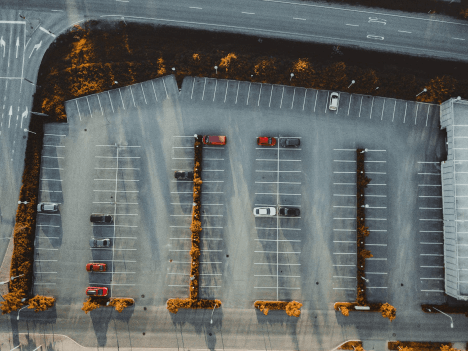
While a lobby officer secures your front door, a mobile patrol service protects everything else. This approach is all about creating a powerful deterrent—a security term for discouraging trouble before it starts. By making random, unpredictable rounds in a marked vehicle, a patrol officer makes your property a much riskier target for potential criminals. This visible and active security presence is one of the most effective ways to deter after-hours break-ins and prevent vandalism on commercial property.
For properties spread across a large area, like a Broomfield business park or a building with an expansive parking lot, a single stationary officer simply can’t be everywhere at once. Mobile patrols are designed to cover this ground efficiently. An officer can navigate the entire perimeter, check on distant outbuildings, and ensure that isolated areas are not being overlooked. This provides a blanket of security over your whole investment, not just a single point of entry.
Beyond just being visible, these officers perform crucial physical checks that technology can’t. They get out of their vehicle to test door handles, peer into dark corners, and ensure secure gates haven’t been tampered with. This hands-on verification provides concrete proof that your physical assets are secure. But is this wide-ranging approach a better fit for you than a dedicated front-desk presence?
Lobby vs. Patrol: Which Is Right for Your Broomfield Business?
Deciding between a dedicated lobby officer and a mobile patrol service doesn’t have to be complicated. The right choice depends entirely on your property’s unique layout and your single biggest security concern. Is your main challenge managing the flow of visitors during business hours, or is it preventing break-ins and vandalism across a large, empty property at night? The decision becomes clearer with a simple “choose this if” scenario. Your choice of a lobby security guard vs mobile patrol comes down to prioritizing either access control or perimeter deterrence.
Choose a LOBBY OFFICER if:
● You have high visitor or employee traffic during the day.
● Your main priority is controlling exactly who enters your building.
● Projecting a professional, secure corporate image is important.
Choose a PATROL SERVICE if:
● You have a large property, parking lot, or multiple buildings.
● Your primary risks are after-hours, like vandalism or theft.
● You need a visible deterrent that is also highly cost-effective.
Ultimately, the choice hinges on your specific vulnerability. An on-site security guard provides focused, in-person control, while a vehicle patrol offers broad, preventive oversight. Once you’ve identified which of these aligns with your primary need, the next logical question is how each service impacts your budget.
Decoding the Costs: What to Expect from Business Security Services in Colorado
When considering your budget, the cost difference between these two services is straightforward. Hiring a dedicated lobby officer is a fixed cost because you are reserving 100% of that professional’s time exclusively for your building. Think of it like adding a new, specialized employee to your payroll; you’re paying for a constant, dedicated presence, which naturally represents a more significant investment in your property’s security and image. In contrast, one of the key advantages of hiring a patrol service is its shared-cost model. A single patrol officer covers multiple properties along a planned route, so you and other businesses in the area are essentially splitting the expense. This makes mobile patrols a highly efficient and affordable way to establish a security presence, especially for properties concerned about after-hours risks like vandalism or break-ins in a large parking lot.
This fundamental difference in cost structure is crucial when evaluating the cost of business security services in Colorado. The proposals you receive from commercial building security companies in Broomfield, CO, will reflect this model—either a higher hourly rate for exclusive coverage or a lower one for shared patrols. But what if your needs don’t fit neatly into
one category?
The Hybrid Approach: Combining Services for 24/7 Peace of Mind
For many Broomfield businesses, the security risks at 2 PM on a Tuesday are completely different than at 2 AM on a Saturday. This is where a hybrid approach, one of the most effective Broomfield corporate security solutions, comes into play. You don’t have to be forced into an “either/or” decision between a welcoming presence and after-hours protection; you can strategically combine them.
Consider a typical office building near the Interlocken Loop. During business hours, a lobby officer is essential for managing visitor access and projecting a professional image. But once the last employee leaves, the risk shifts to the empty building and the large, dark parking lot. At this point, a mobile patrol takes over, performing regular checks to deter vandalism and ensure the property is secure. The security guard responsibilities for an office park simply change as the day ends.
This blended strategy provides you with a comprehensive security plan without the significant expense of a 24-hour dedicated guard. It intelligently matches the right security tool to the right risk, giving you complete peace of mind around the clock. By tailoring the solution to your specific daily and nightly needs, you get maximum value and protection.
Your Next Step: How to Assess Your Property and Ask the Right Questions

With a clear understanding of your security needs, you can turn knowledge into confident action. When you start contacting commercial building security companies in Broomfield, CO, use these questions to ensure you’re choosing a security provider who aligns with your goals: ● What is your officer training process for a site like mine?
● How do you document and report incidents? Can I see a sample report? ● Can you provide a reference from a similar business in this area?
● What is your supervisory structure for officers in the field?
You are no longer just buying a uniform; you’re investing in a professional partnership. A clear process for security incident reporting for businesses and transparent supervision are signs of a quality partner. This approach will help you make an informed decision that protects not just your property, but your people and your peace of mind.
