
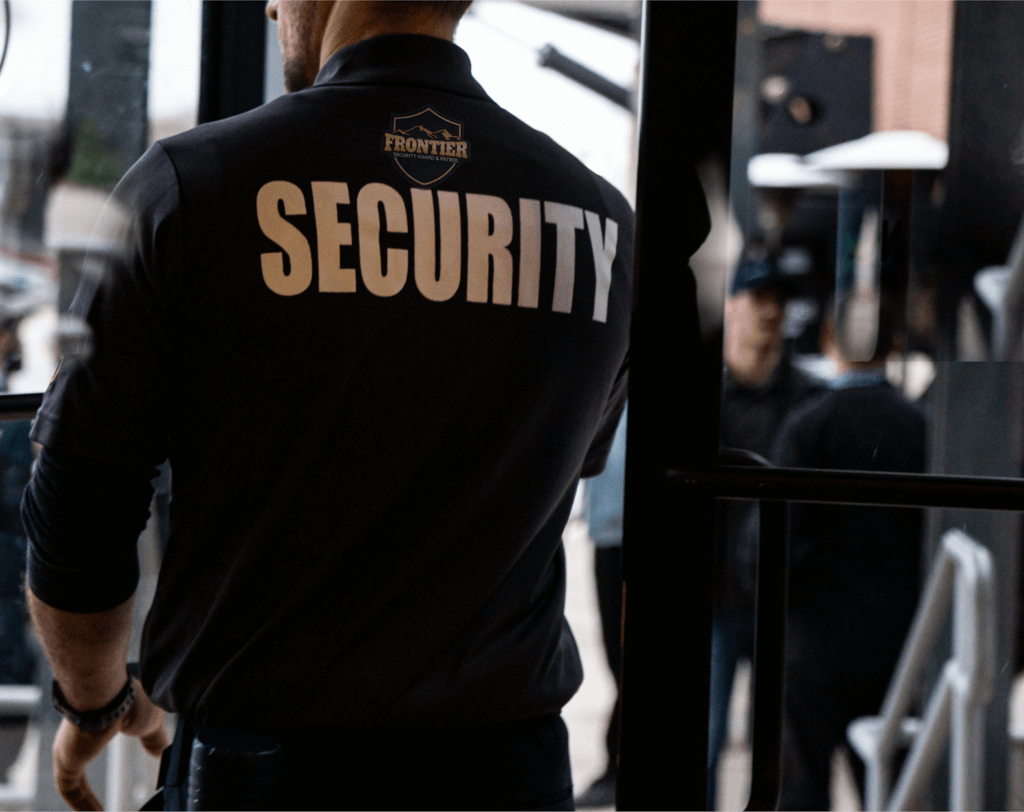
Choosing a security guard company in Westminster, CO isn’t just a vendor decision—it’s a safety decision that affects your tenants, employees, visitors, and liability exposure. Whether you manage a business park off 120th Avenue, retail property near Westminster Promenade, or an HOA community, you need clear standards for evaluating security providers before signing a contract. This guide walks you through the vetting process: what to ask, which documents to request, and which red flags should send you looking elsewhere.
Start With the Outcome (What Are You Actually Hiring Security to Do?)
Before you compare providers, define what you’re hiring security to accomplish. Different properties need different outcomes—deterrence through visible presence, access control at entry points, customer service support during business hours, incident documentation, or after-hours checks. Your goals drive the staffing model, schedule, and reporting structure you’ll need.
Define your scope (checklist):
- Coverage hours: 24/7, business hours only, nights/weekends, or specific high-traffic windows?
- Locations covered: Building entrances, parking lots, loading docks, common areas, perimeter?
- Access control needs: Sign-in logs, visitor badges, door monitoring, key/fob management?
- Patrol areas and frequency: Which zones need regular checks, and how often?
- Reporting requirements: Daily logs, incident reports, shift summaries, photo documentation?
- Escalation contacts: Who gets called for emergencies, maintenance issues, or policy violations?
- Uniform and visibility expectations: Professional attire, company branding, high-visibility presence?
- Language requirements: English fluency, bilingual staff for tenant communication?
- Customer interaction role: Friendly greeting presence vs. low-profile security only?
- Special considerations: Construction site needs, retail loss prevention support, event coverage?
- Technology integration: Patrol scanning verification, digital reporting, camera monitoring?
- Backup coverage plan: What happens if the assigned guard calls in sick or quits?
The clearer your scope, the easier it is to evaluate whether a security company can deliver what you actually need.
Match the Service Model to the Property (On-Site vs Patrol vs Hybrid)
Not every property needs the same service model. Understanding the differences helps you avoid overpaying for coverage you don’t need—or underestimating what your property requires.
On-site guards provide a consistent, visible presence at a fixed location. On-site security guards work well for properties with continuous foot traffic, access control needs, or situations where immediate response matters more than mobility. They greet visitors, monitor entrances, enforce policies, and handle incidents as they occur. On-site coverage makes sense when human interaction, immediate availability, and deterrence through constant visibility are priorities.
Vehicle patrol involves guards driving through your property at scheduled or randomized intervals, checking doors, lighting, and parking areas, then documenting observations. Vehicle patrol security covers more ground efficiently and works well for large properties, multiple locations, or after-hours monitoring where a static presence isn’t justified. Patrols deter opportunistic activity by creating unpredictability and can handle quick checks across several sites in one shift.
Hybrid models combine both—on-site coverage during peak hours plus patrol rounds after business closes, or a roaming officer who spends time at multiple buildings within a campus. Many security patrol services offer checkpoint verification systems, digital reporting, and supervisor audits to ensure patrols happen as promised and documentation is consistent.
Which One Fits?
On-Site Guard Coverage Works Best For:
- Retail centers, medical facilities, or office lobbies with steady visitor flow
- Properties requiring access control, sign-in logs, or visitor screening
- Locations where immediate response to incidents matters (tenant disputes, medical calls, trespassing)
- Buildings with high-value assets or sensitive operations
- Properties where visible deterrence and customer service presence are equally important
- Situations where consistent staffing at one location justifies the cost
Vehicle Patrol Works Best For:
- Large parking lots, business parks, or multi-building campuses
- After-hours monitoring when facilities are closed or lightly staffed
- Properties spread across multiple addresses or zones
- Situations where budget doesn’t support 24/7 on-site coverage
- Routine checks of doors, gates, lighting, and perimeter conditions
- HOA communities needing periodic visibility without full-time staffing
Hybrid Models Work Best For:
- Properties with variable risk throughout the day (busy during business hours, vulnerable after closing)
- Multi-tenant buildings where some tenants need access control and others need perimeter checks
- Locations balancing budget constraints with legitimate security needs
- Properties transitioning from no security to full coverage (start with patrol, add on-site if needed)
- Situations requiring flexibility as tenant mix or risk profile changes
- Campuses where one guard can rotate between buildings while backup patrols the perimeter
The Vetting Checklist: Questions to Ask Every Security Provider

Ask these questions before you sign anything. Vague answers or reluctance to provide detail should concern you.
Licensing, Insurance, and Compliance
- Are your guards licensed as required by Colorado regulations?
- Can you provide proof of general liability and workers’ compensation insurance?
- What’s your process for verifying guards meet state training requirements?
- How do you handle background checks, and what disqualifies a candidate?
- Are your post orders and policies documented in writing?
Hiring, Training, and Supervision
- What training do guards receive beyond basic licensing requirements?
- How do you train guards on de-escalation, customer interaction, and incident response?
- What’s your hiring timeline, and how do you screen candidates for professionalism and reliability?
- Who supervises field staff, and how often do supervisors conduct site visits?
- When you staff unarmed security guards, what specific role expectations and limitations do you communicate to clients?
- How do you handle performance issues or client concerns about a specific guard?
Operations and Reliability
- What’s your backup plan if the assigned guard calls in sick or doesn’t show up?
- How do you communicate schedule changes, incidents, or coverage gaps to clients?
- Do you use digital tools (apps, GPS verification, shift reporting) or rely on paper logs?
- What’s your average staff retention rate, and how does turnover affect my coverage?
- Can I request a different guard if there’s a poor fit, and how quickly can you accommodate that?
Reporting and Documentation
- What does a daily activity log include, and how is it delivered?
- What level of detail do incident reports provide (narrative, photos, witness info, timeline)?
- How quickly do I receive incident notifications?
- Can you provide sample reports so I know what to expect?
- Do you offer management summaries (weekly or monthly) to track trends and issues?
Documents You Should Request (So You’re Not Guessing)
Don’t rely on promises. Ask for these documents before you commit:
Proof of Insurance
What good looks like: Current certificate showing general liability (minimum $1M) and workers’ compensation coverage with your property listed as additional insured.
Sample Post Orders
What good looks like: Detailed, site-specific instructions outlining patrol routes, access procedures, emergency contacts, and policy enforcement—not generic boilerplate.
Sample Incident Report
What good looks like: Clear narrative format with space for date, time, involved parties, witness information, actions taken, and follow-up needed.
Patrol Report Example
What good looks like: Timestamped checkpoint verification, observations noted (doors secured, lighting functional, suspicious activity), and any anomalies flagged.
Training Overview
What good looks like: Documentation showing hours of training beyond state minimums, topics covered (customer service, de-escalation, report writing), and ongoing education.
Supervisor Audit Process
What good looks like: Written policy describing how often supervisors visit sites, what they check, and how they address performance issues.
Communication Plan
What good looks like: Clear protocol for how guards reach you (phone, text, app), escalation timelines, and after-hours emergency procedures.
Escalation Matrix
What good looks like: Written guide showing which situations require immediate notification vs. next-day reporting vs. routine documentation only.
Guard Assignment Profile
What good looks like: Background on the assigned guard’s experience, training certifications, and any relevant skills (bilingual, CPR certified, customer service background).
Backup Staffing Commitment
What good looks like: Written guarantee describing response time for coverage gaps and how backup guards are briefed on your property’s specific needs.
Technology Capabilities

What good looks like: Description of GPS tracking, patrol verification systems, digital reporting tools, and how you access real-time information.
References From Similar Properties
What good looks like: Contact information for 2–3 clients managing properties comparable to yours (size, type, location) who can speak to reliability and communication.
Red Flags That Cost Property Managers Money (and Headaches)
Watch for these warning signs when vetting security companies in Westminster:
Vague Reporting
Red flag: “We’ll send you reports” with no samples or specifics about format, timing, or detail level.
Better alternative: Ask to see actual reports from current clients (names redacted) so you know what documentation you’ll receive.
No Supervisor Checks
Red flag: Guards work independently with no oversight or site visits from management.
Better alternative: Choose providers with documented supervisor audit schedules and random site inspections.
Inconsistent Staffing
Red flag: Different guards every shift with no continuity or property familiarity.
Better alternative: Request dedicated assignment (same guard or small rotation) with formal introductions and handoff protocols.
Unclear Escalation
Red flag: No written policy about when guards should call you vs. handle situations independently.
Better alternative: Demand an escalation matrix defining notification timelines for different incident types.
No Written Post Orders
Red flag: Guards receive verbal instructions or generic guidance that doesn’t address your property’s specific needs.
Better alternative: Require site-specific, written post orders that both you and the guard sign off on before coverage begins.
Overly Rigid Patrol Schedule
Red flag: Patrols happen at exactly the same time every shift, making them predictable and easy to avoid.
Better alternative: Ask how patrol routes and timing vary to maintain unpredictability and effectiveness.
Poor Communication
Red flag: Guards don’t respond to texts, calls go to voicemail, or you have no direct contact with field staff or supervisors.
Better alternative: Test communication before signing—call at different times, ask how urgent messages are handled, and verify response protocols.
Lack of Documentation
Red flag: Promises of “we’ll take care of it” with no paper trail, digital records, or incident tracking.
Better alternative: Only work with companies that document everything and provide you access to logs, reports, and activity history.
Unrealistic Promises
Red flag: Guarantees to “eliminate crime,” “stop all theft,” or “prevent incidents”—security guards observe, report, and deter, but they’re not law enforcement.
Better alternative: Look for realistic expectations about what security can and cannot do, with focus on visibility, documentation, and escalation.
Unclear Scope
Red flag: Contract language that’s vague about coverage hours, patrol frequency, or guard responsibilities.
Better alternative: Insist on specificity—exact hours, number of patrols per shift, checkpoint locations, and reporting deliverables in writing.
How to Run a 30-Day Trial Without Disrupting Tenants or Staff
Start smart to avoid confusion and maximize value from day one:
Kickoff Meeting (Week 1)
Bring together the security supervisor, assigned guard, your property management team, and key tenant contacts. Walk the property, point out problem areas, review access procedures, introduce the guard to staff, and clarify expectations.
Define Post Orders (Before First Shift)
Document patrol routes, door check sequences, visitor procedures, emergency contacts, and incident escalation protocols. Both you and the guard should sign off on these instructions.
Weekly Check-Ins (Weeks 1–4)
Schedule brief calls or meetings with the security supervisor to review reports, discuss any issues, and adjust coverage as needed. Don’t wait 30 days to address problems.
Report Review Cadence (Daily at First)
Read daily logs and incident reports closely during the first two weeks. This helps you catch gaps, unclear documentation, or performance issues early when they’re easier to fix.
Tenant Communication (Week 1)
Notify tenants that security coverage is starting, introduce the guard (name, role, how to reach them), and encourage tenants to report any concerns to you directly.
Adjust by Hotspots (Ongoing)
Use incident reports and tenant feedback to identify problem areas (poorly lit parking zones, unsecured side entrances, loitering spots) and adjust patrol focus accordingly.
Westminster-Specific Considerations
Westminster’s mix of commercial properties presents varied security needs. Business parks along I-25 and near the US 36 corridor often require after-hours coverage for parking lot monitoring and building perimeter checks. Retail centers like Westminster Promenade benefit from visible on-site presence during shopping hours to deter vehicle break-ins and provide customer assistance. Multi-family communities and HOAs throughout Westminster frequently need vehicle patrol services to address unauthorized parking, amenity access enforcement, and overnight visibility without the cost of 24/7 staffing.
Properties near neighboring communities—Broomfield, Thornton, and Arvada—often share similar security concerns: large parking areas vulnerable after business hours, tenant turnover creating access control challenges, and the need for professional documentation to support lease enforcement or insurance claims.
Focus on providers familiar with Westminster’s layout and willing to customize coverage based on your property’s specific vulnerabilities rather than offering one-size-fits-all packages.
FAQs
What should I expect in a security incident report?
A complete incident report includes the date, time, and location of the incident; a clear narrative describing what happened; identification of involved parties and witnesses; actions the guard took (called police, secured area, provided assistance); and any follow-up needed from property management. Many companies now include photos and GPS timestamps for additional verification.
Is vehicle patrol enough for my property?
It depends on your property’s risk profile and activity level. Vehicle patrol works well for large, spread-out properties with low foot traffic, especially after business hours. If you need access control, immediate incident response, or a visible deterrent during busy periods, on-site coverage or a hybrid model may be more appropriate. Consider starting with patrol and adding on-site hours if you identify gaps.
Do I need an on-site guard during business hours?
On-site guards during business hours make sense if you have consistent visitor flow, need someone to manage access control or greet guests, or want immediate response to tenant concerns. If your property is mostly closed-door businesses with minimal public interaction, patrol coverage may be sufficient. Evaluate based on tenant needs and liability exposure rather than assumptions.
How do security companies verify patrols?
Reputable companies use checkpoint scanning systems (NFC tags, QR codes, GPS verification) that timestamp each patrol stop and upload data in real time. This creates an auditable trail showing exactly when guards visited each location. Ask to see sample patrol verification reports before signing a contract—if a company can’t demonstrate how they verify coverage, assume they’re not tracking it.
What’s the difference between unarmed guards and patrol services?
Unarmed guards focus on observation, reporting, customer service, and de-escalation—they’re not law enforcement and don’t carry weapons. Patrol services can be provided by unarmed guards who move between properties or checkpoints rather than remaining stationary. Both serve deterrence and documentation roles, but the distinction is about mobility and staffing model rather than training or authority level.
Can I start with temporary coverage and scale up?
Yes. Many property managers start with short-term contracts or trial periods to evaluate fit before committing long-term. This approach works well if you’re unsure about coverage hours, want to test different service models (on-site vs. patrol), or need flexibility as tenant mix changes. Communicate your intent upfront so the security company can structure staffing and pricing appropriately.
Conclusion
Vetting a security provider in Westminster, CO, requires more than comparing hourly rates. Focus on documentation, communication, and accountability—companies that provide clear post orders, detailed reports, and consistent supervision deliver better outcomes than those offering vague promises and minimal oversight. Whether you need security services for a retail property, office building, or residential community, start by defining your specific goals and matching the service model to your actual needs.
Ready to evaluate your property’s security needs? Request a quote for a site assessment customized to your Westminster, CO, location.
