
Physical security is an essential part of protecting a business, its employees, customers, equipment, and property. From preventing unauthorized access to deterring theft and vandalism, a well-designed security strategy helps business owners reduce risks and maintain a safer working environment. For companies throughout Denver and surrounding Northern Colorado communities, investing in professional business security can make a meaningful difference.
At Frontier Security Guard & Patrol, we understand that every business faces different security challenges. Whether you operate a retail store, office building, warehouse, apartment complex, or construction site, understanding the fundamentals of physical security is the first step toward protecting your investment.
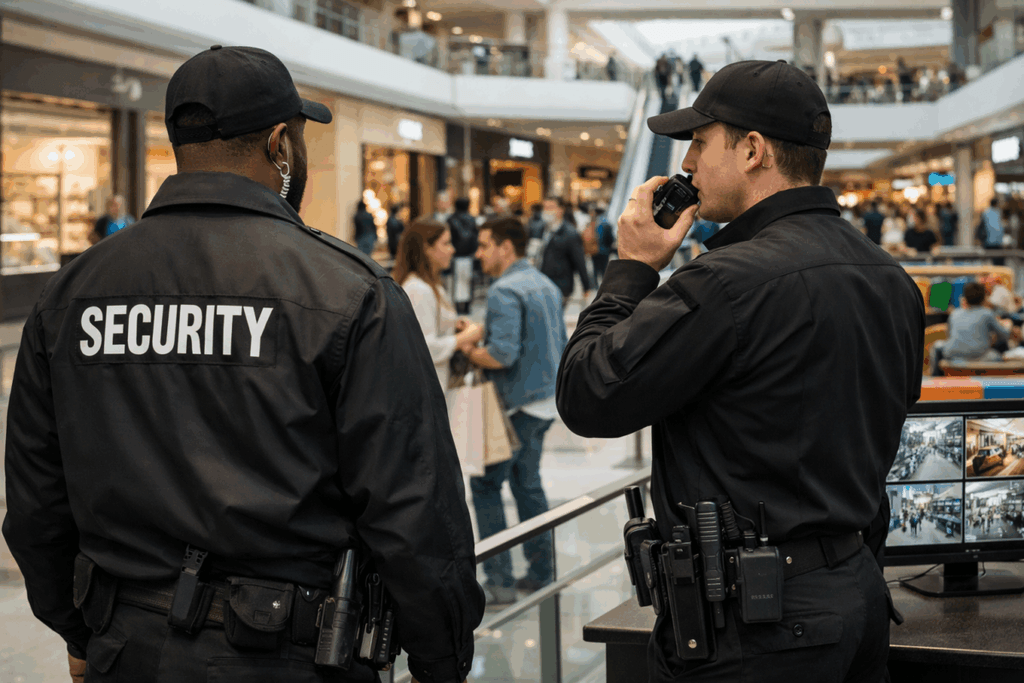
What Is Physical Security?
Physical security refers to the measures businesses use to protect people, buildings, equipment, inventory, and other tangible assets from unauthorized access, theft, vandalism, and potential threats.
Unlike cybersecurity, which focuses on digital systems and information, physical security addresses risks involving the actual workplace and surrounding property. Effective protection often combines security equipment, established procedures, and professional security guards.
Common physical security measures include:
- Door and window locks
- Access control systems
- Security cameras and alarms
- Exterior lighting
- Perimeter fencing
- Visitor management procedures
- On-site security guards
- Mobile security patrols
Combining these measures creates multiple layers of protection, helping businesses address vulnerabilities before they lead to costly incidents.
1. Identify Your Business’s Security Risks
The first step in improving physical security is understanding where your business may be vulnerable. A retail property with valuable merchandise will have different security needs than an office building with restricted workspaces or an industrial facility containing expensive equipment.
Start by evaluating your property’s entrances, exits, parking areas, loading docks, storage rooms, and exterior boundaries. Consider whether doors are regularly left unlocked, lighting is insufficient, or certain areas are difficult to monitor.
You should also review previous incidents, employee concerns, operating hours, and the value of assets stored on-site.
A professional security assessment can help identify weaknesses and determine which commercial security services are appropriate for your business.
2. Strengthen Access Control
Controlling access is one of the most important elements of physical security. Businesses need to know who is entering their property and whether individuals should have access to specific areas.
Consider implementing employee identification badges, electronic access controls, visitor sign-in procedures, and restrictions for sensitive areas. Establish clear procedures for issuing and revoking access credentials when employees leave the company or contractors finish a project.
Professional security guards can provide additional oversight by monitoring entrances, verifying visitor information, directing deliveries, and identifying suspicious activity.
For businesses with multiple entrances or high visitor traffic, having a trained security professional at a designated access point can help improve accountability and reduce unauthorized entry.
3. Improve Lighting and Perimeter Protection
Poor lighting and unsecured exterior areas can create opportunities for theft, trespassing, and vandalism. Business owners should evaluate parking lots, walkways, loading docks, employee entrances, and building perimeters to identify areas that need improvement.
Motion-activated lighting, well-maintained fencing, secure gates, and properly functioning exterior doors can help discourage unwanted activity.
However, physical barriers alone may not be enough. Large commercial properties often benefit from mobile patrol security services that provide additional visibility around the building and surrounding grounds.
Regular patrols can help identify damaged fencing, unsecured doors, unusual activity, and other potential security concerns.
4. Consider Professional Security Guards
Security cameras and alarm systems are valuable tools, but they cannot independently address every situation. Professional security guards provide a human presence that can observe changing conditions, communicate with employees and visitors, and respond when an incident occurs.
Depending on your business’s needs, on-site security may help with:
- Monitoring entrances and exits
- Deterring theft and vandalism
- Observing parking lots and common areas
- Enforcing access procedures
- Responding to disturbances
- Documenting incidents
- Coordinating with emergency responders, when necessary
A visible security presence can also reassure employees, customers, tenants, and visitors that their safety is taken seriously.
5. Use Mobile Patrols to Expand Coverage
Not every business requires a full-time security guard stationed at its property. For businesses with large grounds, multiple buildings, or primarily after-hours security concerns, mobile patrols can provide a flexible alternative or complement existing on-site coverage.
Mobile patrol officers can conduct property inspections, check access points, monitor parking areas, and look for signs of suspicious activity.
For example, a warehouse in Denver may benefit from scheduled or randomized overnight patrols, while a shopping center may require additional monitoring during busy periods and after closing.
An experienced security company can help determine whether mobile patrols, on-site guards, or a combination of both best meets your security objectives.
6. Establish Emergency and Incident Response Procedures
Even with strong preventative measures, businesses should prepare for unexpected situations. Clear procedures help employees understand what to do when they encounter suspicious activity, a break-in, a confrontation, or another emergency.
Develop written guidelines for reporting incidents, contacting emergency services, evacuating the building, and communicating with management. Make sure employees know who is responsible for coordinating responses and where emergency exits are located.
When professional security personnel are involved, establish communication procedures between guards, managers, employees, and emergency responders.
Routine reviews and training can help ensure these procedures remain practical as your business grows or its operations change.
7. Review and Update Your Security Plan Regularly
Physical security should not be treated as a one-time investment. Businesses change over time, and their security needs change with them.
New employees, building renovations, expanded inventory, additional entrances, and changes in operating hours can introduce vulnerabilities. Periodic security reviews help identify these changes and determine whether existing measures remain effective.
A professional security company can help reassess your needs and recommend adjustments to your security services as your property and operations evolve.
Choose Frontier Security Guard & Patrol for Business Security in Denver
Protecting your business requires a proactive approach that combines prevention, preparation, and appropriate security resources. From access control and perimeter monitoring to professional security guards and mobile patrols, the right physical security strategy can help protect your people, property, and daily operations.
Frontier Security Guard & Patrol provides professional security services for businesses throughout Denver, Aurora, Lakewood and surrounding communities. We work with clients to develop customized security solutions based on their properties, operating requirements, and security concerns.
Whether you need on-site security guards, mobile patrol services, or additional protection for a commercial property, our team can help you explore practical options for strengthening your security strategy.
Contact Frontier Security Guard & Patrol today to learn how professional commercial security services can help protect your Denver area business.
