Fire safety is one of the most important responsibilities for property owners, building managers, contractors, and business operators. When a fire alarm system, sprinkler system, emergency notification system, or other fire protection equipment is not working properly, the risk to people and property can increase quickly.
That is where fire watch services in Denver become important.
Fire watch services provide trained security personnel who monitor a property for signs of fire, smoke, unsafe conditions, blocked exits, system failures, and emergency risks. These services are often needed when fire protection systems are down, during construction, after a safety issue, or in areas where the risk of fire is higher than normal.
In Denver, high-risk zones can include construction sites, apartment buildings, hotels, hospitals, warehouses, commercial properties, industrial areas, event spaces, and buildings with temporary fire system outages. In these situations, a strong fire watch plan can help protect people, reduce property risk, support emergency response, and help property owners meet safety requirements.
Frontier Security Guard & Patrol provides fire watch protection services for residential and commercial properties throughout the Denver Metro area. Their fire watch guards can monitor properties, patrol buildings, watch for fire risks, keep exits clear, contact emergency agencies when needed, and maintain records during a fire watch assignment.
What Are Fire Watch Services?
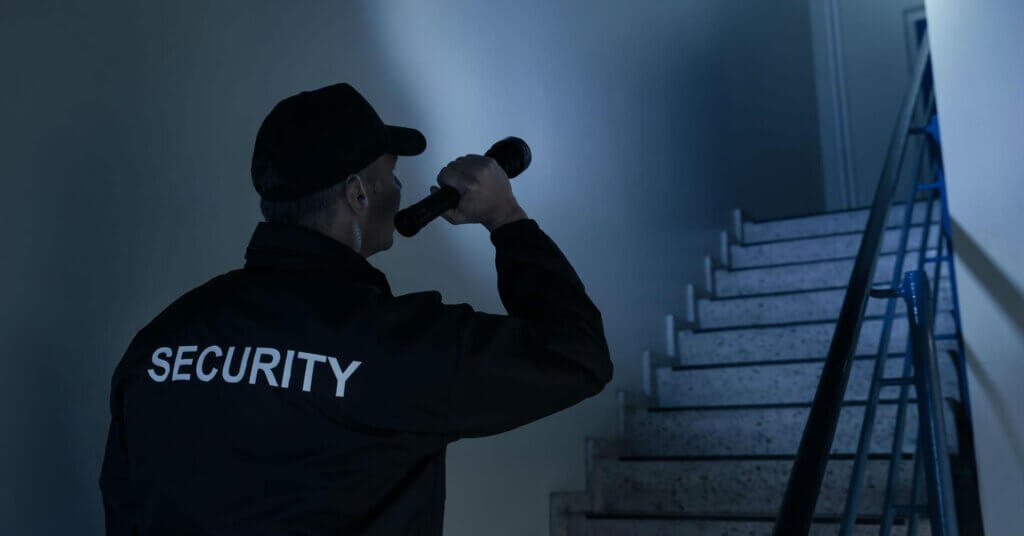
Fire watch services are security services used when a property needs active monitoring for fire-related risks. A trained guard patrols the property, watches for signs of smoke or fire, checks exits, monitors dangerous conditions, and helps alert people if an emergency occurs.
Fire watch may be needed when:
• Fire alarms are not working
• Sprinkler systems are offline
• Emergency notification systems fail
• Construction work creates fire risk
• Hot work is being performed
• Power outages affect safety systems
• Fire lanes or exits need monitoring
• A building has chemical, gas, or equipment hazards
• Local authorities require temporary fire watch coverage
A fire watch guard does not replace a working fire alarm or sprinkler system. Instead, the guard provides human monitoring during a time when the building may not have full automatic protection.
This service is often temporary, but it may be needed for several hours, overnight, several days, or longer depending on the issue.
Why Fire Watch Matters in High-Risk Areas
High-risk areas need extra attention because problems can spread quickly. A construction site may have open materials, temporary wiring, tools, flammable debris, or unfinished systems. A hotel or apartment building may have many people inside at once. A warehouse may have stored materials, loading areas, equipment, or limited visibility.
When fire protection systems are not working, even a small issue can become serious.
Fire watch services help by adding active observation. Guards can walk the property, look for warning signs, check problem areas, and take action faster if something looks wrong.
Fire watch can help protect:
• Residents
• Employees
• Customers
• Patients
• Guests
• Contractors
• Equipment
• Inventory
• Buildings
• Emergency access routes
In high-risk Denver properties, waiting for a problem to happen is not enough. A fire watch plan helps create a safer environment until normal fire protection systems are restored.
Know When Fire Watch Is Required
One of the first steps in implementing fire watch is knowing when it is required. Fire watch may be required when a fire alarm, sprinkler, or emergency communication system is impaired. It may also be required by local fire officials during construction, system repairs, special events, or certain high-risk operations.
Property owners and managers should not guess. If there is a fire system issue, they should contact the appropriate fire authority, building management team, or safety professional to confirm what is required.
Common situations that may call for fire watch include:
• A fire alarm system outage
• A sprinkler system shutdown
• Planned fire system maintenance
• Emergency system failure
• Construction or renovation work
• Hot work such as welding or cutting
• Unsafe building conditions
• Fire code concerns
• Large occupancy events
• Power outages affecting alarms or exits
The goal is to act quickly. If a system is down and people are still using the building, fire watch may need to begin right away.
Start with a Fire Watch Plan
A fire watch assignment should begin with a clear plan. The plan should explain where guards will patrol, what they should check, how often patrols should happen, how emergencies will be reported, and how records will be kept.
A basic fire watch plan should include:
• Property address and building details
• Reason fire watch is needed
• Areas that need patrol
• Patrol schedule
• Guard duties
• Emergency contact list
• Fire department contact process
• Evacuation procedures
• Log sheet requirements
• Start and end times
• System repair timeline if known
For high-risk properties, the plan should also identify special concerns such as fuel storage, construction materials, blocked areas, electrical hazards, chemical storage, occupied units, guest areas, stairwells, loading docks, mechanical rooms, and alarm panel locations.
A clear plan helps everyone understand what needs to happen.
Identify the Highest-Risk Areas on the Property
Not every part of a building has the same risk. A good fire watch plan should focus extra attention on areas where fire risk is higher or where people may need help evacuating.
High-risk areas may include:
• Mechanical rooms
• Electrical rooms
• Kitchens
• Laundry rooms
• Storage areas
• Construction zones
• Trash rooms
• Parking garages
• Loading docks
• Boiler rooms
• Hallways and stairwells
• Areas with temporary heaters
• Areas with flammable materials
• Rooms with equipment or machinery
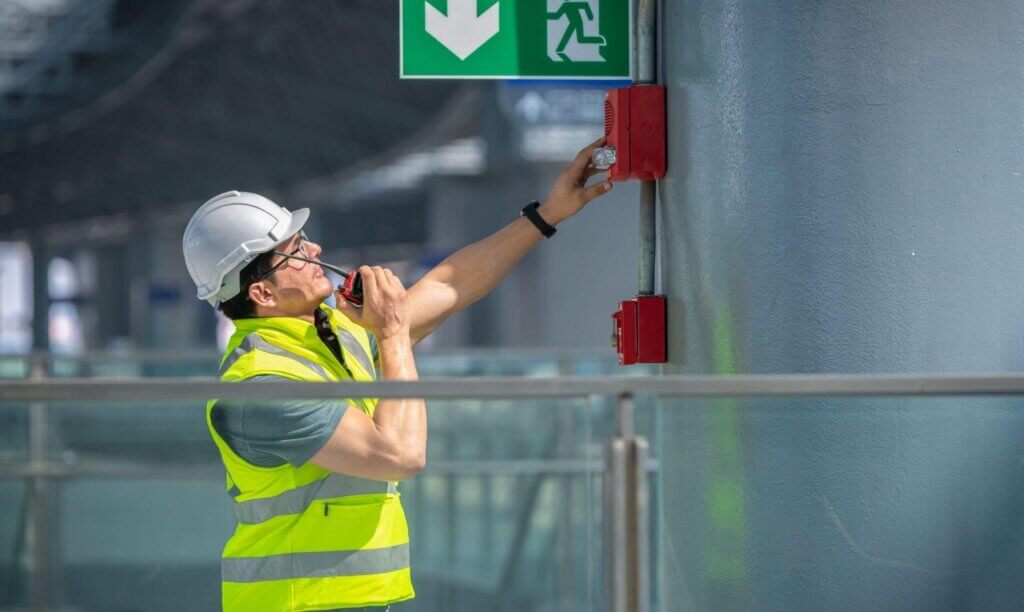
Fire watch guards should know these locations and check them consistently during patrols. They should also watch for blocked exits, smoke odors, overheating equipment, damaged wiring, unsafe storage, leaking water or steam, gas odors, and other warning signs.
The goal is early detection. The sooner a hazard is noticed, the faster action can be taken.
Keep Exits and Fire Lanes Clear
A fire watch is not only about watching for smoke or flames. It also involves making sure people can leave safely and emergency responders can reach the building.
Blocked exits, locked doors, cluttered stairwells, and blocked fire lanes can create serious problems during an emergency.
A fire watch guard may check:
• Exit doors
• Stairwells
• Hallways
• Fire lanes
• Emergency access points
• Loading areas
• Parking areas
• Sidewalk access
• Evacuation paths
If an exit is blocked, the issue should be reported and corrected as soon as possible. Fire lanes should remain clear so emergency vehicles can reach the property quickly.
Frontier Security Guard & Patrol’s fire watch duties include monitoring entrances and exits, keeping fire lanes free of obstacles, and minimizing risks that could interfere with emergency response or evacuation procedures.
Use Foot Patrols and Vehicle Patrols
Different properties need different patrol methods. A small building may only need foot patrols. A large property, construction site, apartment complex, or warehouse may need both foot patrols and vehicle patrols.
Foot patrols are helpful inside buildings because guards can check hallways, stairwells, rooms, doors, and equipment areas closely.
Vehicle patrols are useful for larger exterior areas, parking lots, construction sites, and multi-building properties.
A fire watch patrol may include:
• Interior building checks
• Exterior perimeter checks
• Parking lot checks
• Door and window checks
• Mechanical room checks
• Construction area checks
• Alarm panel checks
• Fire lane checks
• Hazard observation
The patrol schedule should be consistent and documented. High-risk zones may need more frequent checks.
Maintain Accurate Fire Watch Logs
Documentation is a key part of fire watch service. A fire watch log helps show that patrols were completed, risks were checked, and incidents were recorded.
A fire watch log may include:
• Date and time of patrols
• Guard name
• Areas checked
• Conditions observed
• Hazards found
• Actions taken
• Emergency calls made
• Notes about exits or fire lanes
• System status updates
• End-of-shift summary
Logs are important for accountability. They also help property managers, contractors, safety teams, and local authorities understand what happened during the fire watch period.
A fire watch guard should never rely only on memory. Written records help keep the process clear and organized.
Train Staff on What to Do During Fire Watch
Fire watch guards play an important role, but building staff should also understand the plan. Employees, managers, contractors, and maintenance teams should know why fire watch is in place and what to do if a problem occurs.
Staff should understand:
• Which fire system is down
• Who to contact in an emergency
• How evacuation alerts will be handled
• Which exits should remain clear
• What areas are restricted
• How to report smoke, odors, or hazards
• When fire watch is expected to end
This communication helps prevent confusion. If a fire alarm system is down, people need to know how they will be alerted if evacuation is necessary.
Fire watch works best when guards, management, staff, and contractors stay informed.
Fire Watch for Construction Sites
Construction sites are common high-risk zones. They may include temporary electrical systems, welding, cutting, heaters, open walls, exposed materials, stored equipment, and changing access points.
Fire watch services can help construction sites by:
• Monitoring hot work areas
• Checking temporary power sources
• Watching for smoke or sparks
• Patrolling after crews leave
• Protecting materials and equipment
• Keeping access points clear
• Watching for trespassing
• Checking for unsafe conditions
• Reporting hazards quickly
Construction sites can change from day to day, so the fire watch plan should be updated as needed. A guard should know where active work is happening and which areas require closer attention.
Fire Watch for Apartments, Hotels, and Healthcare Buildings
Occupied buildings need special care because people may be sleeping, working, receiving care, or visiting. If a fire system fails in an occupied building, response time matters.
Apartments, hotels, and healthcare facilities may need fire watch during:
• Alarm system repairs
• Sprinkler shutdowns
• Power outages
• Construction or renovation
• Emergency equipment failure
• Fire code concerns
These buildings often have multiple floors, stairwells, elevators, rooms, and occupancy areas. Guards may need to monitor exits, public areas, corridors, and mechanical spaces while maintaining clear communication with management.
In these settings, fire watch is about both property protection and life safety.
Choose a Professional Fire Watch Company
The quality of the fire watch provider matters. Property owners should choose a company that understands fire watch duties, emergency communication, patrol procedures, documentation, and professional conduct.
A good fire watch provider should offer:
• Trained guards
• 24-hour availability
• Clear patrol procedures
• Proper reporting
• Emergency response coordination
• Foot and vehicle patrol options
• Experience with commercial properties
• Flexible temporary or long-term coverage
• Licensed and insured service
Frontier Security Guard & Patrol offers fire watch protection services throughout the Denver Metro area for residential and commercial properties. Their guards provide 24-hour services tailored to the client’s needs, including temporary, long-term, and emergency fire watch patrol.
Why Choose Frontier Security Guard & Patrol?
Frontier Security Guard & Patrol provides professional fire watch services in Denver for commercial buildings, construction sites, hotels, hospitals, apartment complexes, and other properties.
Their fire watch guards can monitor for signs of fire, smoke, odors, flames, gas leaks, water leaks, power outages, and other hazards. They can also help with evacuation procedures, contact local agencies during emergencies, monitor entrances and exits, patrol the structure and surrounding areas, inspect emergency equipment, maintain logs, and reduce risks that could interfere with emergency response.
Frontier is fully licensed and insured and offers 24-hour fire watch services tailored to the client’s needs. For property owners and managers facing system outages or high-risk conditions, having trained fire watch guards on site can help keep the building safer until the issue is resolved.
Final Thoughts
Implementing effective fire watch services in Denver’s high-risk zones starts with fast action, clear planning, and trained guards. When fire alarms, sprinklers, emergency notification systems, or fire protection equipment are not working, property owners need a reliable way to monitor the building and protect occupants.
A strong fire watch plan should identify risks, set patrol routes, keep exits clear, protect fire lanes, document activity, and support emergency response. It should also match the type of property, whether it is a construction site, apartment complex, hotel, healthcare building, warehouse, or commercial facility.
If your property needs fire watch services in Denver, emergency fire watch patrol, construction site fire watch, or temporary coverage during a system outage, Frontier Security Guard & Patrol can help. Call (720) 965-5900 to request a free estimate.
